
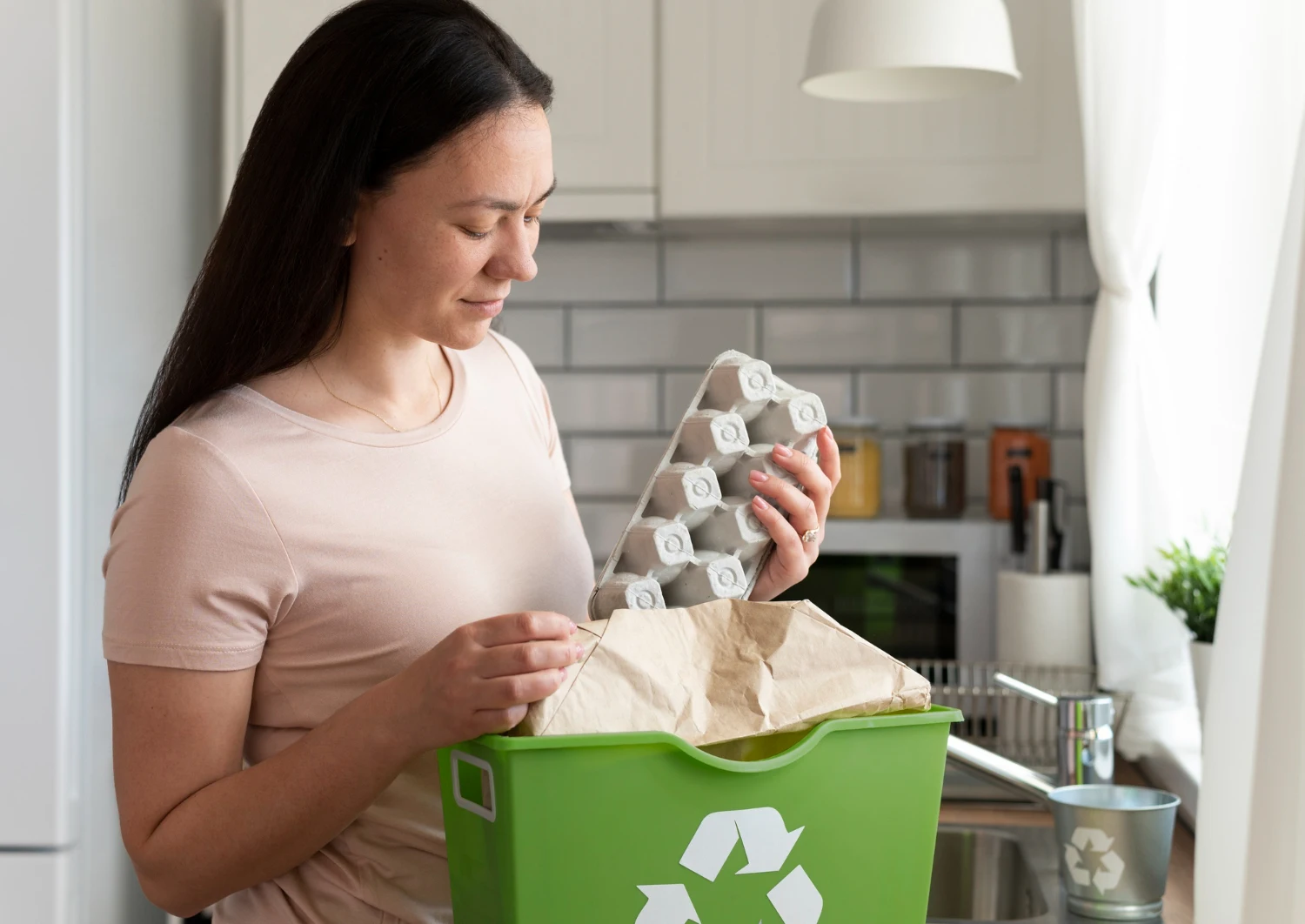
Reducing waste and saving energy go hand in hand. Most of the waste your home produces is tied directly to how much you consume, which means cutting one usually cuts the other too.
Start With Your Biggest Energy Drains
Heating, cooling, and hot water account for the majority of home energy use. Lowering your thermostat by just two degrees, or insulating your water heater, can make a noticeable dent in your energy bill and your carbon output.
Switch to Energy-Efficient Appliances and Habits
You don’t need to buy new appliances right away. Start by changing how you use the ones you have. Run full loads in the dishwasher and washing machine. Air-dry clothes when you can. Unplug devices when they’re not in use.
How to Reduce Waste at Home Room by Room
Waste doesn’t just pile up in the bin. It builds up in every room, every day. Tackling it by space makes the process feel manageable.


Frequently Asked Questions About Reducing Waste
How to Reduce Waste at Home for Beginners?
Start with one room and one category. Most people find the kitchen the easiest starting point. Reduce food waste, then tackle plastic packaging. Build from there.
How to Live Sustainably on a Budget?
Sustainable habits are often cheaper habits. Buying less, reusing more, and cutting energy use all save money. Sustainable living tips don’t require expensive products, just smarter choices.
What Is the Fastest Way to Reduce Plastic Use?
Eliminate single-use plastic from your grocery shopping. Bring your own bags, buy loose produce, and choose glass or cardboard packaging where available. That one change cuts most of your plastic waste immediately.
How Much Water Does the Average Household Waste?
The average household wastes thousands of liters a year through leaks, long showers, and running taps. Fixing even one leak and shortening showers by two minutes makes a significant difference.
Are Sustainable Food Choices Really That Important?
Yes. Food production is one of the largest sources of greenhouse gas emissions globally. Choosing plant-based meals a few times a week, buying local, and wasting less food are among the highest-impact habits you can build.
Ready to Reduce Your Household Waste?
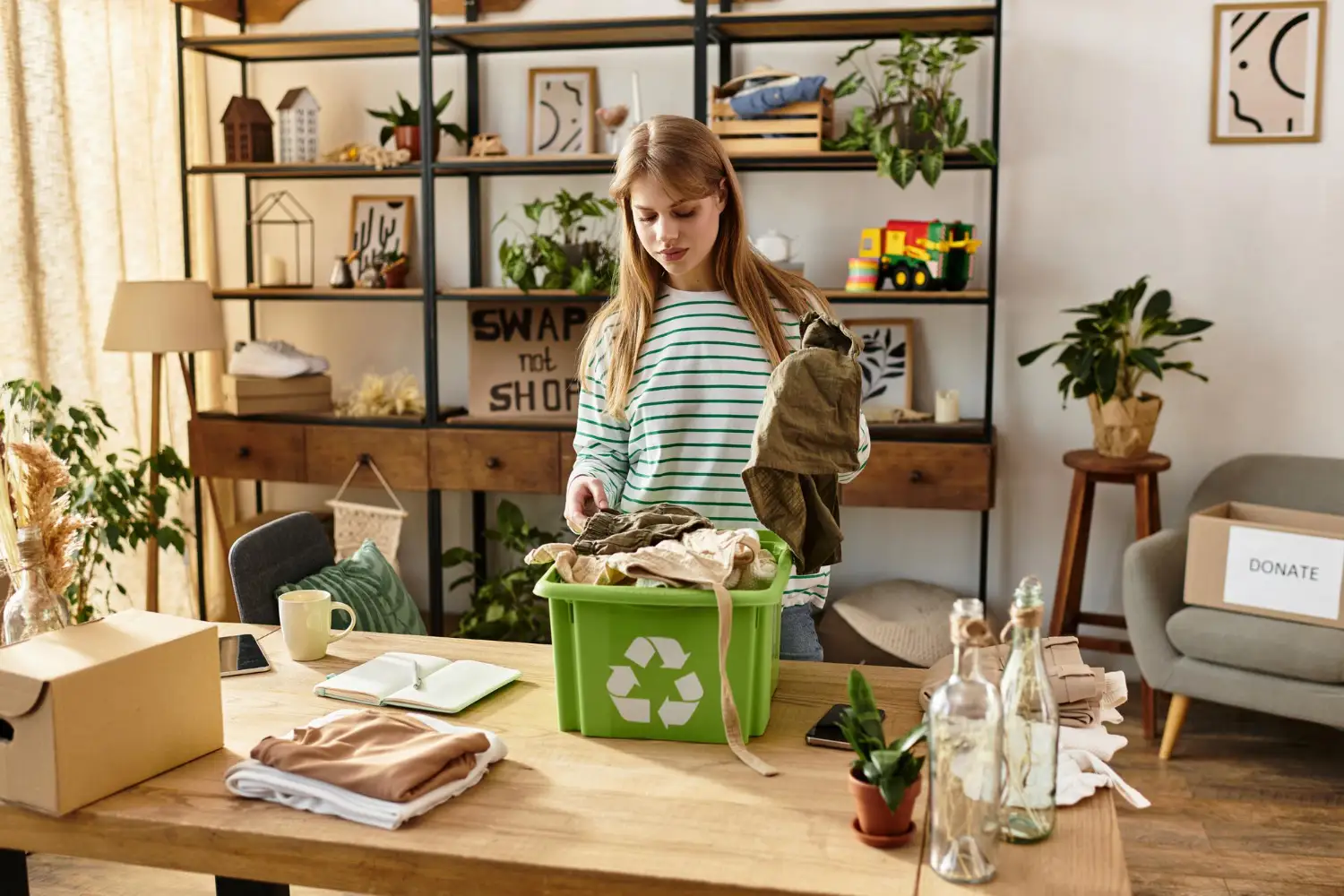
You don’t have to change everything at once. Pick one area, commit to it for a month, and watch it become automatic.
That’s how lasting eco friendly habits form. Consistent, simple, and surprisingly easy to stick with.